101 Best Blues Songs to Learn on Guitar

CONTINUE >
41. Got My Mojo Working | Muddy Waters
Level: 🎸🎸Intermediate
"Got My Mojo Working" was written by Preston "Red" Foster, and it was first recorded in 1956 by R&B singer Ann Cole. This version has a great upbeat groove to it. The lyrics of the song describe something called mojo, which has been associated with hoodoo, an African-American folk magic tradition.
Later in 1957, Muddy Waters put his own spin on the arrangement and changed the lyrics just slightly. His most famous version of the song was actually recorded live in 1960 and this version received several awards from various publications and organizations.
At this point, it is now a blues standard and is a great one to add to your repertoire for blues jams and playing with other musicians. Check out a longer lesson here.
42. Green Onions | Booker T. and the MG's
Level: 🎸🎸Intermediate
"Green Onions" was first released on Stax Records in October 1962 as the title track on the ...
101 Best Blues Songs to Learn on Guitar

CONTINUE >
21. Boogie Chillen | John Lee Hooker
Level: 🎸🎸Intermediate
Discover this iconic blues jam by John Lee Hooker. This one uses a capo and is in an open A tuning. Check out a longer post about it here.
22. Boogie Woogie | Tommy Dorsey
Level: 🎸🎸Intermediate
Here’s a fun old-school blues in the key of E. The original riff was played on the piano in the key of F, but here is a great way to play it in the key E on guitar.
23. Boom Boom | John Lee Hooker
Level: 🎸🎸Intermediate
John Lee Hooker originally recorded this tune in 1961, and music critics called it "the greatest pop song he ever wrote".
24. Born Under A Bad Sign | Albert King
Level: 🎸🎸Intermediate
The majority of this song is an 8-bar blues chord progression in the key of C#. It features biting leads and big string bends from the legend Albert King!
25. Bright Lights, Big City
Level: 🎸🎸Intermediate
Here’s a classic Jimmy Reed-style rhythm in the key of A. This gr...
101 Best Blues Songs to Learn on Guitar

In the vast world of music, few genres capture the raw emotion, soulful melodies, and electrifying energy quite like the blues.
In this post, I’m going to share with you a journey through 101 epic blues songs to learn on guitar. Whether you're a beginner eager to dive into the world of blues or an experienced guitarist seeking new challenges, this curated list will guide you through essential tracks that define the genre's diverse landscape.
From the haunting melodies of Robert Johnson to the scorching solos of Stevie Ray Vaughan, we'll cover iconic and influential songs that have shaped the blues into what it is today.
You’ll get a video for each song and also a skill rating for each guitar lesson:
Level: 🎸Easier
Level: 🎸🎸Intermediate
Level: 🎸🎸🎸Advanced
Each song on this list has been chosen for its significance, popularity, and unique guitar techniques that make it an excellent learning experience. However, they are not in any kind of order other than alphabetical. So whet...
Get Your Blues Groove On with this "Got My Mojo Working" Guitar Lesson
Looking to expand your blues repertoire and improve your timing and groove?
This ultimate guide to how to play “Got My Mojo Working” on guitar has got you covered.
In this guitar lesson, I’ll share with you how to play the signature blues groove, rhythms, turnarounds, and even talk soloing for this classic blues tune. It follows a typical 12-bar blues progression, and if you practice the tips shown here, you’ll have your audience tapping their feet and swaying to the beat in no time!
Who originally sang Got My Mojo Working?
"Got My Mojo Working" was written by Preston "Red" Foster, and it was first recorded in 1956 by R&B singer Ann Cole. This version has a great upbeat groove to it. The lyrics of the song describe something called mojo, which has been associated with hoodoo, an African-American folk magic tradition.
Later in 1957, Muddy Waters put his own spin on the arrangement and changed the lyrics just slightly. His most famous version of the song was actually recorded...
Step-by-Step Guide to Playing "Further On Up The Road" on Guitar
Learn to play blues guitar like a pro with this step-by-step lesson on the blues classic "Further On Up The Road."
“Further On Up The Road” is a blues standard that was first recorded by Bobby “Blue” Bland in 1957. It has a classic Texas-style shuffle feel to it, and it is a pinnacle example of the sounds of the blues transitioning from the early 1940s style into the 60s blues-rock style.
This song has been recorded by many great artists however, in this post, I’ll be breaking down elements of the classic version Eric Clapton recorded live with the Band in 1976, for the concert film The Last Waltz.
You’ll learn the chord shapes, scales, and even some licks in this blues guitar style. So grab your guitar and let’s dive in.
Further On Up The Road Chords
You only need three chords to play “Further On Up The Road” G7, C7, and D7.
For G7 I would recommend this:

C7 can be played exactly the same way just shifted higher up the neck to the 8th position like this:
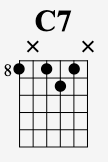
And finally, D...
How to Play “Boom Boom” By John Lee Hooker On Guitar Like a Pro
Ready to level up your blues guitar skills?
Look no further than the classic sounds of John Lee Hooker and his tune "Boom Boom".
In this "Boom Boom" guitar lesson, I'll share with you the key elements of Hooker's bluesy style and break down the chords, signature riffs, grooves, and even how to get started soloing in this classic blues style today.
"Boom Boom" has been covered by countless artists over the years, and its iconic riff and groovy rhythm make it a must-know for any aspiring blues guitar player. So grab your guitar, and let's get ready to jam some blues!
Who Wrote Boom Boom?
“Boom Boom” was written by American blues singer, songwriter, and guitarist John Lee Hooker. It was first recorded in 1961, and even though it’s considered a blues standard music critic Charles Shaar Murray called it "the greatest pop song he ever wrote".
The song has a bluesy groove to it but it actually doesn’t follow a typical 12-bar blues chord progression like many traditional blues songs...
Mastering the Blues: The Ultimate Guide to 'The Thrill Is Gone' Guitar Lesson
Whether you are gearing up for a jam with friends or want to play some blues guitar at home this ultimate guide to "The Thrill Is Gone" guitar lesson is your one-stop shop for playing minor blues in the style of B.B. King.
King was born in 1925 in Leflore County on a cotton plantation close to the city of Itta Bena, Mississippi. He was the son of sharecroppers and grew up surrounded by music from a very young age. He sang in a gospel choir and the local minister gave him his first guitar lesson after he got his first guitar at age 12. In this article, I’ll break down key elements to King’s guitar approach and show you step-by-step strategies so you can get playing in this style today.
Who wrote The Thrill Is Gone?
King actually was not the original writer of "The Thrill Is Gone." The original writers were Roy Hawkins and Rick Darnell.
King took this slow minor blues and put his own twist on it, releasing his version in December of 1969. One of the most unique things h...
From Beginner to Pro: 'Green Onions' Guitar Lesson Breakdown
Whether you're looking for a new blues tune to jam along with at home or a classic song to get you ready for a blues jam, this "Green Onions" guitar lesson is your one-stop-shop for learning the chords, grooves, and solos today.
"Green Onions" was first released on Stax Records in October 1962 as the title track on the debut album Green Onions by Booker T. & the M.G.'s. The original members of the band were Booker T. Jones (organ, piano), Steve Cropper (guitar), Lewie Steinberg (bass), and Al Jackson Jr. (drums).
This song is a classic display of the "Memphis Soul" sound, and it has become a staple in many blues guitarists' repertoire and is also very commonly called at jam sessions.
In this "Green Onions" guitar lesson, I'll share with you some key points to being able to play in this bluesy style.
How I Failed At A Blues Jam!
Before we dive into the lesson though, I want to share with you a bit about my first experience jamming “Green Onions” at a blues jam some 20ish years a...
Learn to Play Hoochie Coochie Man on Guitar Like a Pro
If you're a guitarist looking to level up your Chicago blues guitar skills, going through this “Hoochie Coochie Man” guitar lesson is the perfect place to start. This post will take you through the basics of the style and share chords, riffs, and scales for learning how to jam along to this blues classic.
Who originally wrote Hoochie Coochie Man?
The original writer of “Hoochie Coochie Man” was the American blues musician, vocalist, songwriter, arranger, and record producer Willie Dixon. While Dixon was primarily known as an upright bass player, he was also a competent guitarist and is regarded as one of the most prolific blues songwriters of his time.
In this post, I’ll be sharing with you tips about various versions. However, it's worth noting that the first recorded version of "Hoochie Coochie Man" was by Muddy Waters in 1954. Waters’ version is a prime example of how the blues started to transition from more acoustic Delta-based styles to the electric Chicago style of ...
Catfish Blues Guitar Lesson: The Ultimate Step-By-Step Guide
If you're a guitarist looking to add some bluesy flavor to your playing, this "Catfish Blues" guitar lesson is a great starting point. This guide covers the basics of the style, from essential chords and fingerpicking techniques to tips for adding your own personal touch. With these skills, you'll be able to jam with friends and have a lot of fun playing the blues."
Understanding the Roots of Catfish Blues
To master the "Catfish Blues" style on guitar, it's important to understand its roots. This blues style originated in the Mississippi Delta region in the early 20th century and was heavily influenced by African American folk music and the blues. The style features fingerpicking, slide guitar, and distinctive chord progressions that set it apart from other blues styles.
Who originally wrote Catfish Blues?
Robert Petway, an American blues singer and guitarist born in 1903, is credited as the original composer of "Catfish Blues". His influential style heavily influenced later bl...
Discover the 5 easiest and fastest ways to play the blues scale anywhere on the neck with this FREE PDF GUIDE
